
WHY COMMUNITY DRIVES COMPETITIVE PLAY
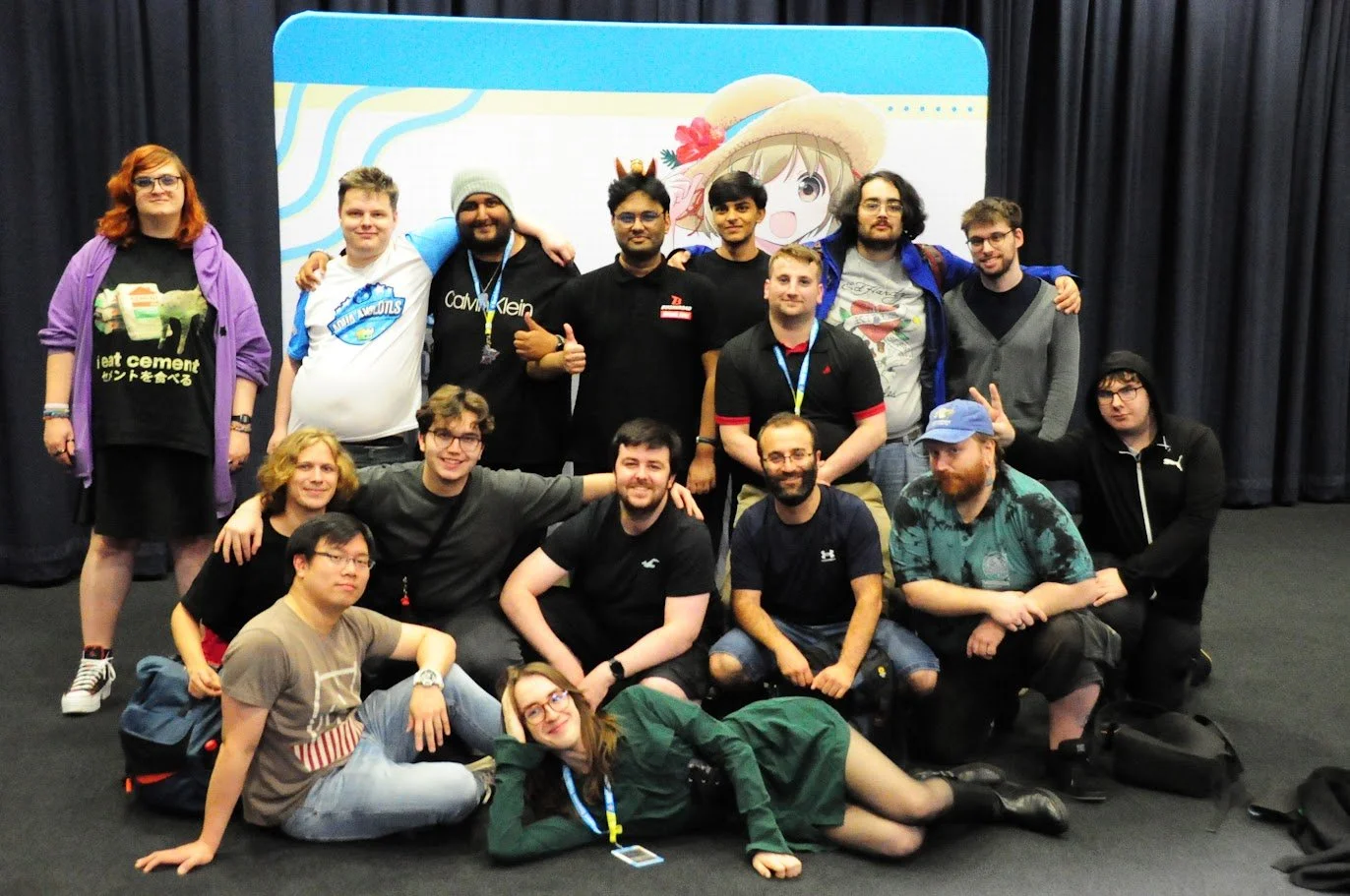
Competitive scenes in trading card games (TCGs) don’t emerge from rulebooks or prize pools alone - they’re built, sustained, and evolved by community. Whether you’re looking at local game store tournaments or world championship circuits, the energy behind competitive play always comes from the players, organizers, and creators who shape the ecosystem around the game.
From grassroots meetups to global events in games like Weiss Schwarz, Hololive OCG, Cardfight! Vanguard and Shadowverse Evolve, community is the engine that turns casual interest into sustained competition.
Below is a breakdown of why community drives competitive play - and why nurturing it is essential for any TCG’s long-term success.
1. Community Creates the Competitive Pipeline
Every competitive player starts somewhere. Most begin at kitchen tables, Discord servers, or weekly local tournaments. These spaces serve as the entry point into structured play.
Local scenes introduce players to tournament rules and etiquette
Friendly rivalries motivate improvement
Mentorship from experienced players accelerates learning
Without a welcoming and active community, players rarely transition from casual play to competitive ambition. Communities act as talent incubators, steadily feeding players into higher-level events.
A strong competitive scene isn’t built from the top down - it grows from the ground up.
2. Shared Knowledge Raises the Skill Ceiling
Competitive TCGs thrive on information exchange. Decklists, matchup theory, sideboard strategies, and meta analysis spread through community hubs like:
Forums and Discord servers
YouTube and Twitch creators
Local testing groups
Tournament reports and blogs
This shared knowledge does two key things:
Raises the baseline skill level
Pushes innovation forward
When players discuss and refine strategies together, the meta evolves faster and becomes more dynamic. A stagnant community leads to a stagnant competitive environment. An active community produces constant iteration and adaptation.
3. Events Exist Because Communities Support Them
Tournament organisers, judges, and store owners are often community members first. Competitive events only succeed when players consistently show up, volunteer, and promote them.
Community involvement drives:
Local weekly tournaments
Regional qualifiers
Grassroots leagues
Travel groups for major events
Even official competitive circuits rely heavily on community participation. When players feel connected to a scene, they’re more likely to travel, practice, and invest in competing.
No community → no attendance → no events → no competitive scene.
4. Culture Determines Competitive Longevity
A competitive environment can either thrive or collapse depending on community culture.
Healthy competitive communities typically have:
Good sportsmanship
Inclusive spaces for new players
Constructive feedback
Celebration of improvement, not just winning
Toxic or gatekept communities often see declining participation and burnout. Players won’t stay in a competitive scene where they feel unwelcome or undervalued.
Culture determines whether competition feels:
Intimidating
Or motivating
The most successful TCG scenes balance intensity with camaraderie.
5. Content Creation Amplifies Competition
Community-driven content is one of the biggest drivers of competitive engagement. Strategy videos, tournament streams, podcasts, and written analysis keep players connected between events.
Content creators:
Showcase high-level play
Explain meta shifts
Highlight rising players
Build hype around tournaments
This visibility makes competitive play aspirational. Players are more likely to compete when they can watch, learn from, and engage with others doing the same.
In many cases, the community media ecosystem is just as important as official coverage.
6. Identity and Belonging Keep Players Invested
Competition is demanding. Players spend time testing, traveling, and refining decks. What keeps them coming back isn’t just the chance to win - it’s the sense of belonging.
Communities provide:
Friend groups
Practice partners
Shared goals
Recognition
When players feel like they’re part of something bigger than themselves, they’re far more likely to stay engaged long-term. Competitive play becomes not just a pursuit of victory, but a shared journey.
Final Thoughts
Competitive play doesn’t exist in isolation. It’s sustained by the people who gather every week at locals, share decklists online, stream matches, organise events, and welcome new players.
A thriving TCG community:
Develops new competitors
Evolves strategy
Supports events
Builds lasting culture
If you want to grow a competitive scene, invest in the community first. Foster connection, encourage collaboration, and create spaces where players want to improve together.
Because in trading card games, competition isn’t just about who wins - it’s about who shows up, supports each other, and keeps the game alive.